
I’m a UX fan from Canada, and I can’t resist analyze every website I visit https://magius-casino.eu.com/en-ca. My first login at Magius Casino directed my gaze straight to its core navigation. That’s the component that manages the entire user journey. This isn’t a evaluation of games or bonuses. It’s a examination at the basic framework that lets players access those things. I examined the menu’s design, its labels, and how it operates. I sought to understand the logic behind it. My objective is to deconstruct this interface’s logic, evaluating its strengths and its likely drawbacks from a user’s point of view, with no consideration for promotions.

The Primary Dashboard: Initial Thoughts of Menu Structure
The homepage at Magius Casino presents a uncluttered, top menu bar. You notice the visual hierarchy immediately. Popular sections like ‘Slots’, ‘Live Casino’, and ‘Promotions’ receive the prime locations. The color design employs contrast effectively to highlight what’s active versus what’s simply a link. From a UX standpoint, this first design indicates a positioning approach driven by data, probably gambler data. The lack of clutter is beneficial. It indicates a design philosophy centered on primary actions. But a interface isn’t evaluated by how it looks when idle. The actual test is how it behaves when you interact with it, which I’ll get into next.
Search and Customization Features
A dedicated search bar is available, which is a necessary tool for a huge game library. But my tests showed it works as a basic keyword matcher. To help with discovery, I’d suggest adding predictive text and auto-complete. Also, the menu doesn’t offer personalized shortcuts. Putting a ‘Recent Games’ or ‘Favorites’ section right inside the main navigation would seriously speed things up for regular players. That kind of personalization changes a generic menu into a custom tool. It shows you understand individual habits and it cuts out repetitive browsing.
Advertising and Educational Link Arrangement
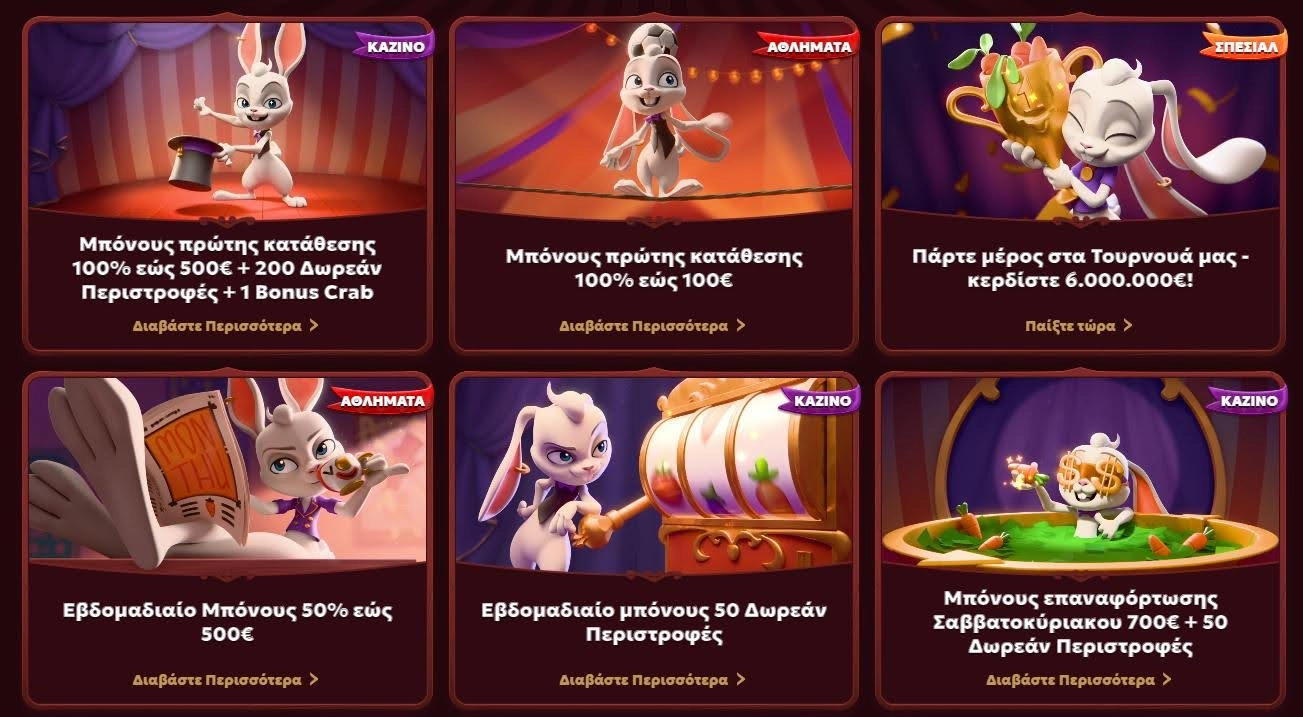
Advertising deals and key information like terms and conditions are arranged with planning. ‘Promotions’ secures a top place in the main navigation. Help (‘Help’) and legal pages are located in the website footer. That’s a standard pattern, but it is effective. This split forms a sensible divide between action sections (games, bonuses) and reference zones (support, legal). As I used the site, I saw context-sensitive promotional banners that didn’t get in the path of the main navigation. The logic appears like a hybrid system: you always have a path to get to the main promotions hub, and you get situational features on top of that. This aligns marketing goals with UX quality, letting users find offers without feeling bombarded while they participate.
Interactive Features: Navigation Menus, Hover States, and Responsiveness
The menu’s responsiveness highlights Magius Casino’s front-end expertise. On desktop, hover states change visually enough to give distinct feedback. Drop-down mega-menus for the primary categories are full-featured but don’t feel sluggish. My crucial test was mobile responsiveness, where screen space is precious. The shift to a hamburger menu is seamless, and the slide-out panel preserves the same logical order as the desktop version. Buttons and links are big enough to tap without error. The animations for transitions are quick and subtle, favoring speed over showy effects. This steady performance across devices indicates a design logic that treats mobile as comparably important, which is just basic practice for modern UX.
Tagging and Language: Precision for an Global Readership
The words chosen for menu labels are always clear. They avoid internal terminology that could stump a newcomer. Words such as ‘Cashier’, ‘VIP Club’, and ‘Tournaments’ are common across the industry and straightforward to comprehend. I scrutinized the microcopy—the small bits of helper text—and discovered it straightforward and understandable. This counts for a global readership where English might be a second language. The design logic plainly favors pairing universally identifiable icons with text, so you don’t have to depend on just one or the other. This inclusive method cuts down the learning experience. I didn’t find deceptive labels, which establishes a critical layer of confidence. Users never get annoyed by a link that does precisely what it indicates it will.
Recognized Strengths in the Navigational Design
My review highlights a few distinct strengths in Magius Casino’s menu logic. The site structure feels logical, allowing users access a game faster. The uniform visual style and clear interactive feedback make the site feel reliable. The design shows it recognizes what users care about most. Here are the key strengths I saw:
- Fixed Core Navigation:
- Predictable Patterns:
- Speed-Optimized:
Route to the Cashier: A Critical User Flow
I meticulously charted the trip from any casino page to the deposit and withdrawal functions. The ‘Cashier’ link is always present in the main navigation. That’s a logical choice that acknowledges its fundamental role. Clicking it takes you to a dedicated space with ‘Deposit’ and ‘Withdraw’ options kept separate. Each process is arranged as a straightforward, step-by-step guide. The menu logic here performs well of cutting down the clicks needed to finish a transaction, which reduces the chance someone gives up. Also, the path back to the games is always a single click away. Users don’t feel stuck in a financial section. This flow demonstrates an recognition that easy banking navigation is directly tied to ensuring users content and returning.
Information Architecture: Categorizing the Game Library
Magius Casino’s game menu utilizes a layered system for sorting. It delves more than the usual ‘Slots’ and ‘Table Games’ categories. I saw sub-categories like ‘Popular’, ‘New’, and ‘Buy Bonus’, plus options for software providers. This framework addresses a common casino UX problem: too many choices. By offering multiple entry points into the same game library, the design accommodates different types of users. Someone searching for a specific game might try search. Another person just exploring might click ‘Popular’. This structure keeps people from becoming overwhelmed. The basic logic is solid. But it only works if those curated categories are accurate and fresh, refreshed regularly to match what players are actually engaging with.
Possible Areas for Continuous Improvement
Every platform has space for improvement, and ongoing improvement is what good UX is all about. Magius Casino’s navigation is reliable, but I see chances to make it better. The search function is available, but autocomplete would aid users in finding items. For frequent users, a ‘Recently Played’ quick-access menu inside the main nav would be a valuable add, providing a personal shortcut. The list of game providers in the filter, while comprehensive, is lengthy. One adjustment could be a two-step filter: first pick a game type, then pick from a curated list of top providers. The development team might evaluate these particular steps:
- Improve the search bar with live suggestions and the ability to handle typos.
- Design the ‘Game Provider’ filter collapsible to reduce initial visual noise.
- Establish a user-customizable ‘Quick Links’ area inside the account dropdown menu.
Final Verdict: Structure That Serves the User

After a detailed look, I discover the menu logic at Magius Casino is constructed with attention and the user in mind. It obviously puts the most typical user tasks first: locating games, handling money, and checking out bonuses. The design avoids common traps like burying links or using unclear labels. The advantages easily surpass the lesser opportunities for adjustments. This navigation works because it functions as a subtle, effective guide. It does not attempt to be the star, letting the casino’s real content be the focus. For a worldwide audience, this clearness and consistency are crucial. My analysis shows that a well-designed menu isn’t just another feature. It’s the key piece of UX that makes every other interaction on the site feasible.